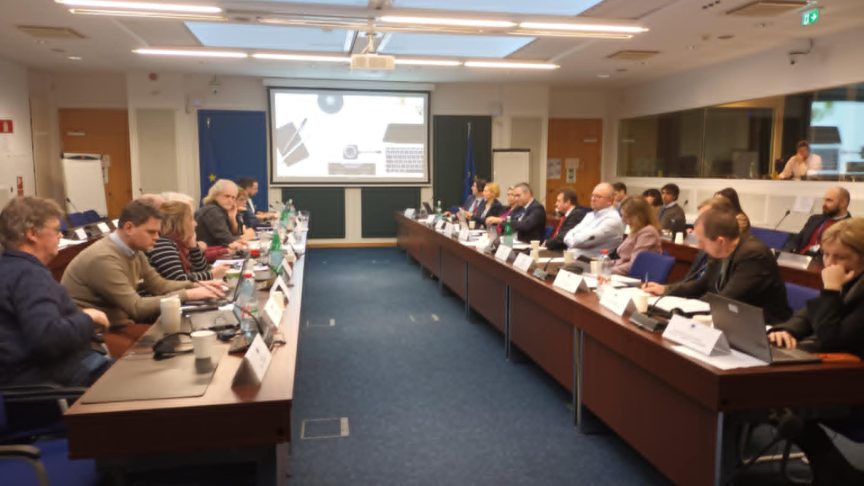
Last month, on 20th January 2026 the DG ENER invited a representative of a dozen of NGOs interested by the topic of nuclear liabilities after a letter sent out by some of them in early 2025: Letter to EU Commissioners.
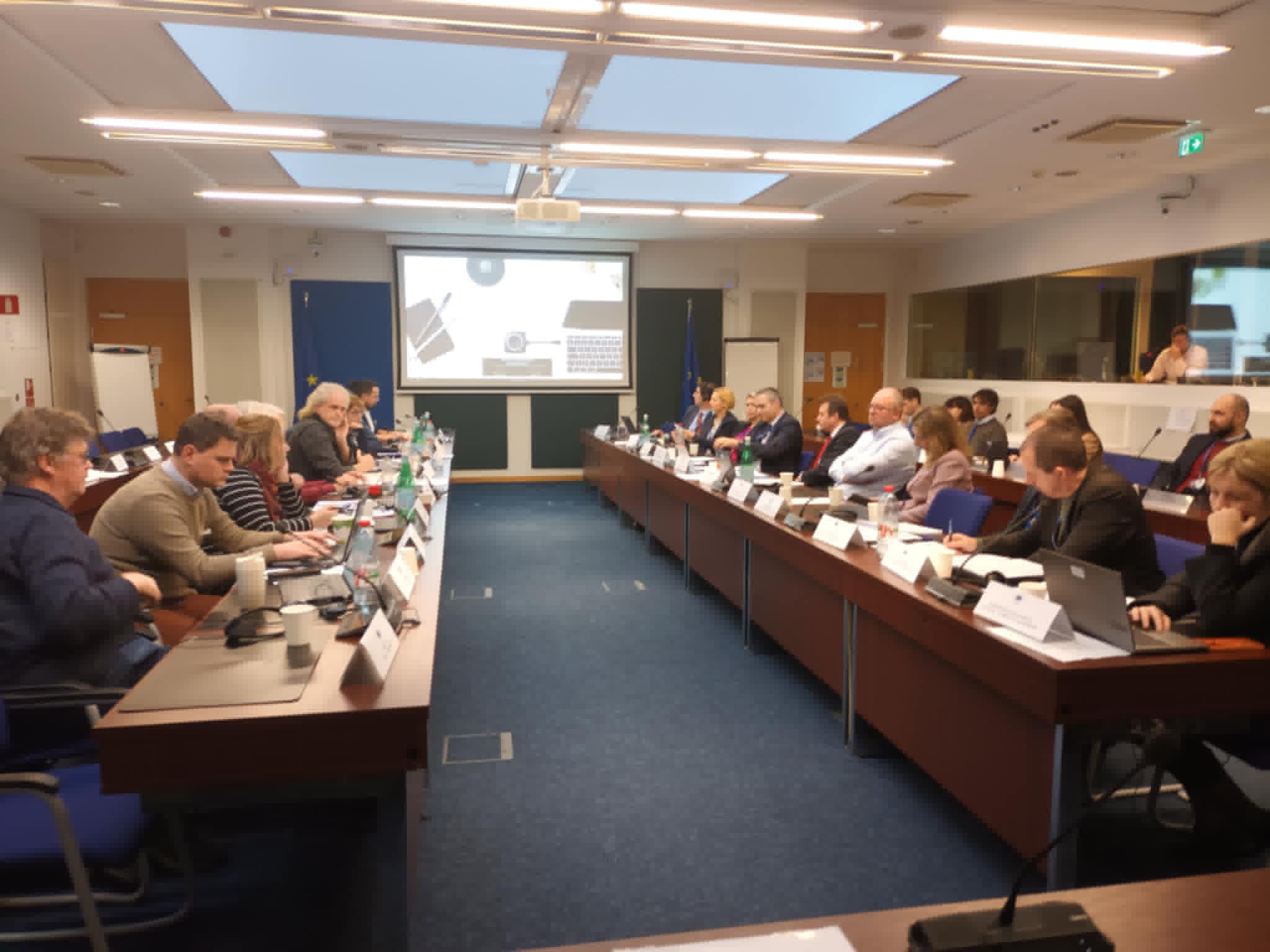
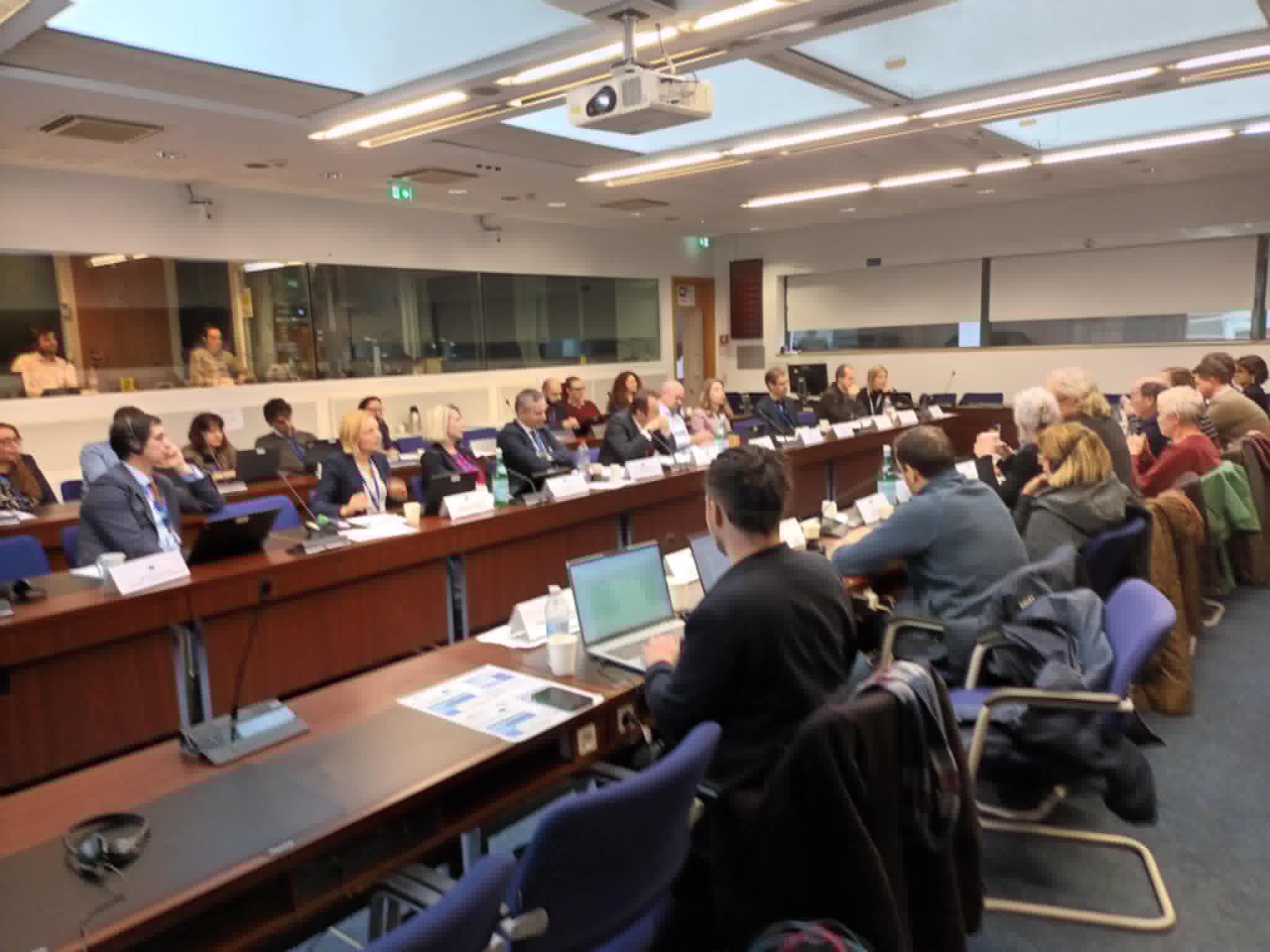
The meeting was introduced by some presentations from the DG ENER to show the work done on this topic by the EU Commission:
- A study on nuclear third-liability insurance (ENER/D2/2017-562)
- Nuclear liability arrangements in the EU – State of Play
Then, some of the NGOs co-signatories of the letter also gave some presentations:
- Nuclear Power in Europe – drastically underinsured by AtomStopp and Mothers against Nuclear Hazard
- European Nuclear Liability by RECH
After the introduction of participants, Jan Panek (DG ENER) started the meeting by stating “Lliability is an important part of nuclear safety”. In his introduction, he also mentioned: issues of new technologies coming up, SMRs and new designs that have not been in operating in Europe before. There are also new nuclear states in Europe, such as Poland which require new considerations of nuclear safety. The need for a fact- based approach was underlined with the hope to get some common understandings of issues with this dialogue. Andrei Florea (DG ENER) mentioned that in all liability conventions, disputes should be handled in the court of the operator, not of the victim while Stefan Bogdan (DG ENER) mentioned that the Commission always do as much as possible to have countries joining the liability regimes.
The Commission study from Study 2020 (commissioned 2017) presented looked at the limits of the (insufficient) compensation and what are obstacles for private insuring companies. The available insurance capacity (¨250 mio. €) is much below liabilities with updated conventions of nuclear liability. The study identified possible improvements in the short term such as expanding/strengthening mutual insurance or setting single lifetime policy limits (with 30% decrease in insurance policy) and improvements in the mid-term with an EU wide system for liability.
After a fruitful dialogue and dynamic dialogue the following were some of the conclusions formulated:
- DG Energy is open for continued dialogue
- We should compare accident costs with ability of national budgets
- We can have a special meeting on maritime issues, in particular if on the Civil Society Organisations side have new knowledge/studies to present and discuss.
Vous devez être connecté pour poster un commentaire.